

The Ultimate Salt Lake City Water Softener Installation Blueprint
Living along the Wasatch Front means enjoying incredible mountain views, world-class skiing, and unfortunately, some of the hardest water in the United States. If you are noticing chalky white crust on your showerheads, dry skin after bathing, or dishes that look perpetually cloudy, your home is fighting a losing battle against mineral deposits.
This comprehensive guide breaks down everything you need to know about water softener installation in Salt Lake City. We will cover the specific data points behind Utah’s water infrastructure, how modern ion-exchange systems protect your property, and what to look for when selecting a local plumbing team to upgrade your home.
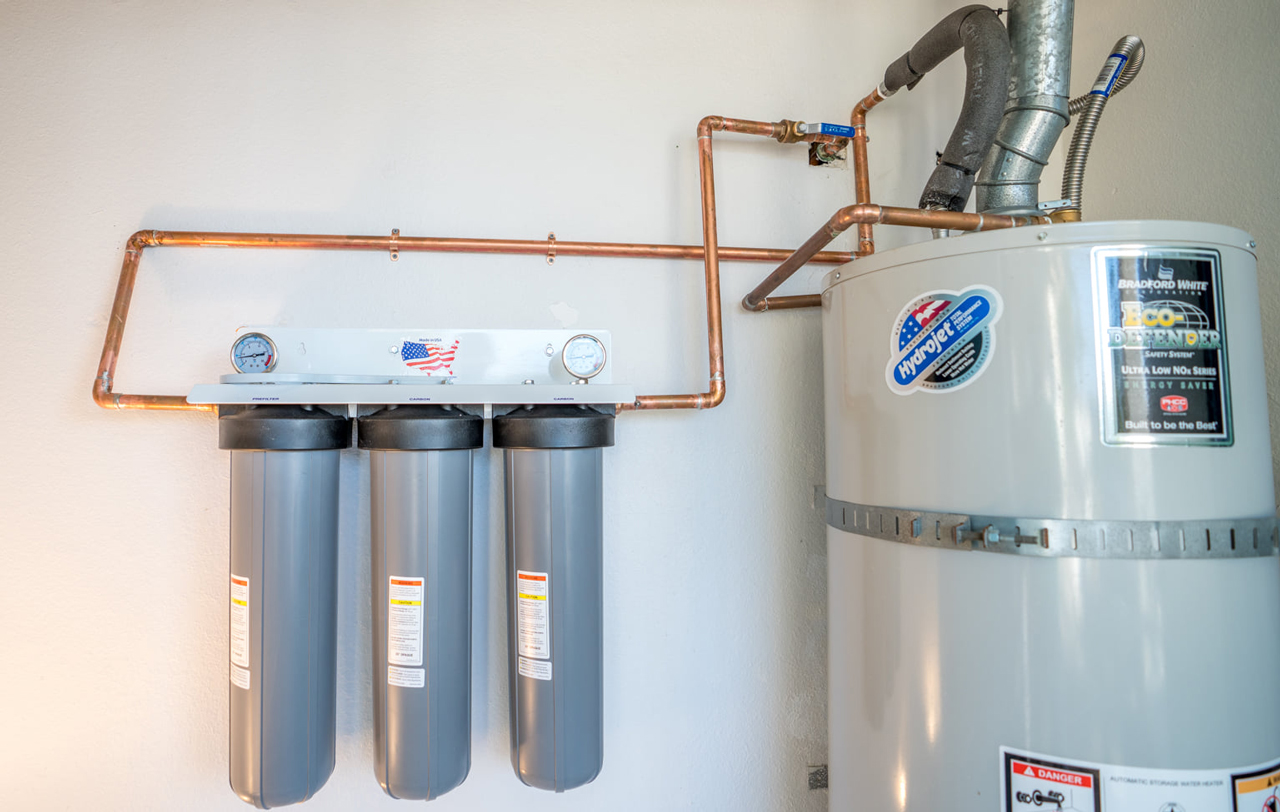
The Reality of Hard Water in the Wasatch Front
To understand why a dedicated water purification strategy is necessary, it helps to examine the raw numbers behind the municipal water supplies in northern Utah. Water hardness is typically measured in grains per gallon (GPG) or parts per million (PPM). The United States Geological Survey (USGS) classifies any water supply with more than 10.5 GPG as “extremely hard.”
In the Salt Lake Valley, municipal water tests regularly show hardness levels ranging from 12 to over 22 GPG, depending on the specific neighborhood and water source.
Why Salt Lake City Water is So Hard
Much of our local water originates as mountain snowpack. As that snow melts and runs down through the limestone-rich canyons of the Wasatch Mountains, it dissolves and absorbs significant concentrations of calcium and magnesium carbonate. By the time that water reaches the municipal treatment plants and flows into your residential plumbing system, it is saturated with heavy mineral ions.
What Happens to a Home Without Proper Mitigation?
When mineral-heavy water is heated or sits stagnant inside your plumbing lines, the dissolved calcium and magnesium undergo a chemical transition, solidifying into a rock-hard layer known as scale or limescale. This scale functions as an insidious, destructive force within your property:
- Water Heater Degradation: Scale builds up at the bottom of tank-style water heaters, forming an insulating blanket over the heating element. This forces the unit to run longer and hotter to warm your water, increasing your monthly energy expenditures and causing premature tank failure.
- Pipe Occlusion: Over time, scale narrows the internal diameter of your copper or PEX water lines, gradually restricting water pressure throughout the house.
- Appliance Failure: Dishwashers, washing machines, and ice makers rely on clean internal seals and valves. Mineral crystallization tears these components apart, causing hidden leaks and costly repairs.
- Skin and Hair Desiccation: Hard water prevents soaps and shampoos from lathering correctly. Instead of rinsing away, the minerals combine with soap to form a film on your skin, blocking pores and exacerbating issues like eczema and dry hair.
Interactive Cost and Sizing Estimator
To help visualize how water hardness impacts your plumbing system and financial planning, use the interactive application below. You can adjust the size of your household and your specific local hardness level to see how mineral accumulation scales over time and estimate the initial investment for a professional resolution.
Choosing the Right System for Salt Lake City Homes
If you are evaluating water softener installation options, it is vital to select equipment that can handle the heavy lifting required by local water conditions. Modern water conditioning tech falls into three main structural profiles:
1. Demand-Initiated Regeneration (DIR) Systems
These smart systems monitor your actual water consumption using internal flow meters. Rather than regenerating on a rigid, automated time clock, they only initiate a cleaning cycle when the resin bed is approaching exhaustion. This reduces water and salt consumption by up to 40% compared to older, timer-based systems.
2. Dual-Tank Alternating Systems
For larger families or properties with high peak-demand requirements, a dual-tank configuration ensures you never run out of treated water. While one tank is online delivering soft water, the secondary tank remains in standby or undergoes regeneration.
3. High-Efficiency Cabinet Systems
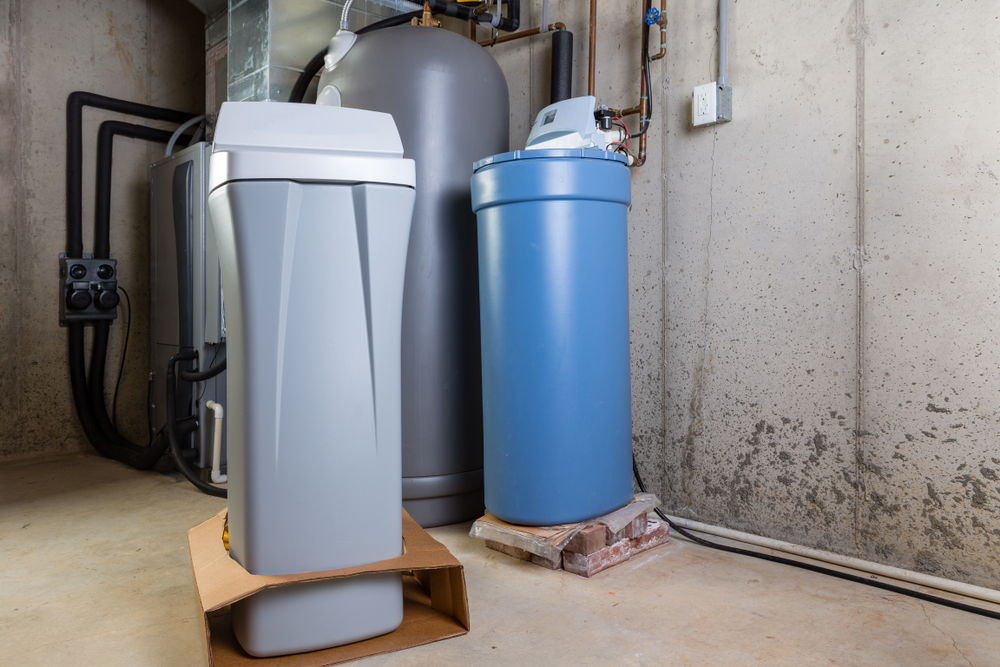
If space is constrained in your garage, basement, or utility closet, a compact cabinet system integrates the resin tank and salt brine well into a single, space-saving footprint.
:max_bytes(150000):strip_icc()/installing-a-water-softener-2718669-hero-6be93efca9354618a257eb78e39d88ba.jpg)
What a Professional Installation Entails
A successful installation requires more than just cutting into a pipe and setting a tank in place. To meet strict Utah plumbing codes and ensure system longevity, the process involves precise technical execution:
Strategic Loop Configuration
Whenever possible, the system should be integrated into a dedicated water softener loop. This ensures that interior hot and cold water fixtures receive treated water, while exterior hose bibbs used for watering lawns or gardens remain on hard water, conserving salt and resin life.
Cross-Connection Control and Backflow Prevention
The discharge line from a water softener contains concentrated brine during the regeneration cycle. To protect your home and the public water supply, local building codes require an unbendable, physical air gap between the softener drain line and your residential sewer connection to completely eliminate any risk of backflow or siphoning.
Pressure Regulation and Calibration
Salt Lake City’s hilly topography means municipal water pressures can vary wildly between valley floors and bench neighborhoods, often exceeding 80 PSI. High pressure can rupture water softener control valves. A professional installation includes testing your incoming pressure and installing a pressure-reducing valve (PRV) if necessary, followed by programming the master control valve to match your neighborhood’s exact grain hardness metric.
Long-Term Benefits of Upgrading Your Water Quality
Investing in professional remediation shifts the chemistry of your home from day one. By choosing to implement a permanent solution, you secure several immediate and long-term financial advantages:
| Financial Metric | Hard Water Status | Post-Softener Status |
| Water Heater Lifespan | Reduced by 30-50% due to scale crust | Achieves full factory design life (10-15 years) |
| Appliance Efficiency | Drops up to 24% as scale accumulates | Maintains peak energy star efficiency |
| Detergent Consumption | Requires up to twice as much soap to lather | Cuts soap and detergent expenses by 50% |
| Plumbing Reliability | High risk of pinhole leaks and valve failure | Minimal internal pipe wear or scaling |
Taking Action for Your Utah Home
Do not let hard water silently damage your plumbing network, skyrocket your energy expenditures, or ruin your appliances. Securing a professional water softener installation is a highly effective way to protect your property investment, lower utility bills, and improve daily comfort.
If you are ready to fix your water quality issues for good, reach out to the certified master plumbers at Perfect Plumber of Utah. Our local technicians understand the unique plumbing challenges of the Salt Lake Valley and can provide a precise water assessment, customize a system tailored to your household size, and execute a flawless, code-compliant installation.